2026-11-06 · Roberto Alvarez
Winter Rain and Guadalupe River Flood Risks for San Jose Homes
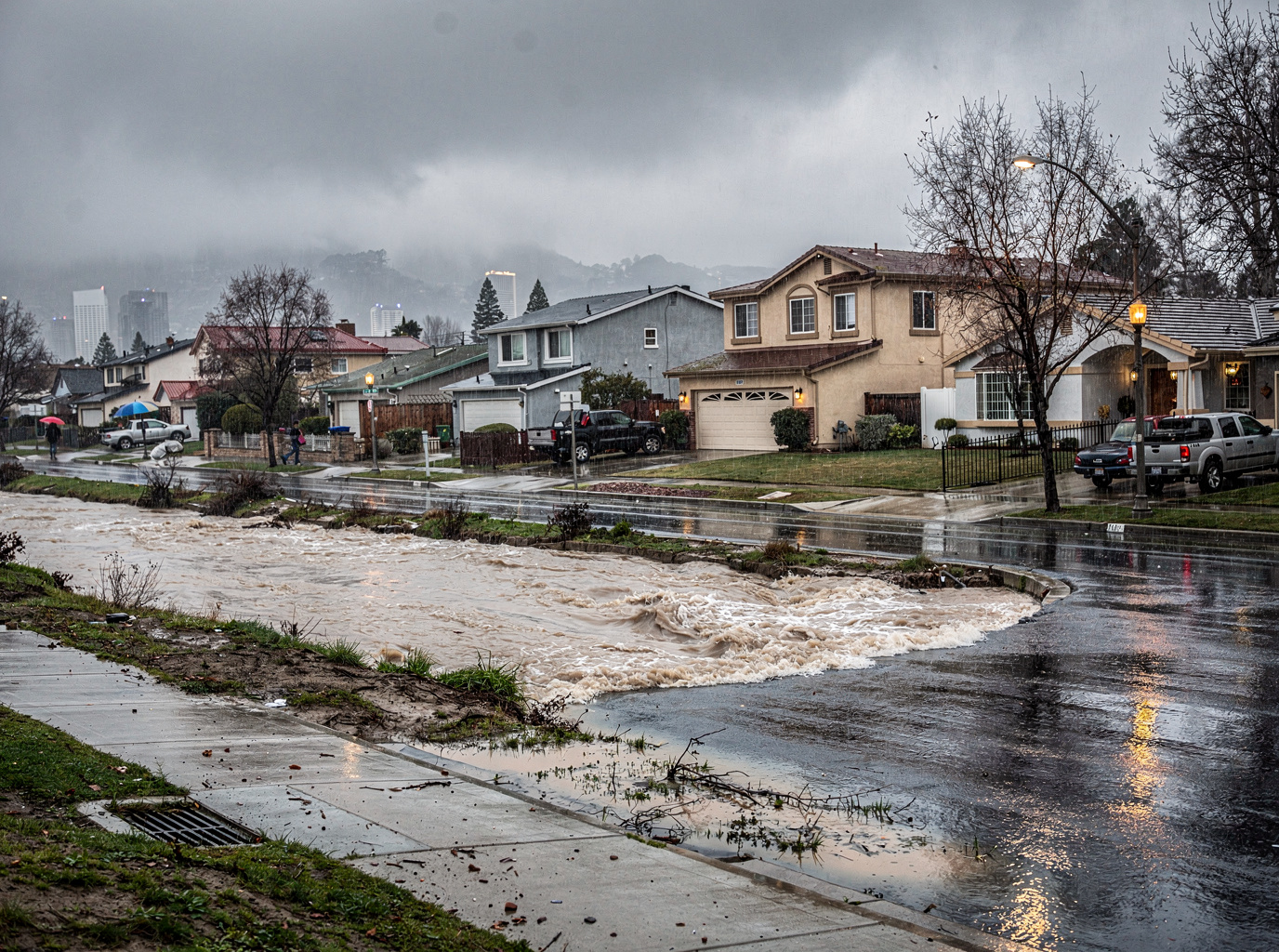
Winter rains in San Jose can raise Guadalupe River levels enough to flood low-lying properties within 24 to 48 hours after sustained precipitation, especially in areas with older foundations near the river corridor. The county's mild Mediterranean climate concentrates most rainfall between November and March, so homes built before 1980 in Downtown San Jose, Willow Glen, and Alum Rock often see water enter through sump pits or slab edges when river flows exceed channel capacity. Santa Clara County terrain channels runoff quickly from the hills into the Guadalupe, turning moderate storms into localized flooding events for properties along the eastern and central river reaches.
Guadalupe River Behavior During Winter Storms
The Guadalupe River cuts through central San Jose and responds directly to rainfall totals recorded at stations near the Tech Museum and San Jose City Hall. When December through February storms deliver repeated 1- to 2-inch events, river stage at key gauges rises 4 to 7 feet above base flow, pushing water into adjacent yards and crawl spaces in Japantown and Evergreen. Terrain funnels water from the Diablo Range foothills across Almaden Valley and Cambrian Park streets that lack modern storm drains, so older slab homes experience seepage along foundation walls where soil saturation lasts several days. Nearby Santa Clara and Milpitas see similar backwater effects when the river meets tidal influence farther north.
Neighborhood-Specific Flood Exposure
Homes in Willow Glen and Downtown San Jose sit on older alluvial soils that hold moisture longer than upland areas, increasing the chance of water migrating under slabs during prolonged rain. Alum Rock and Evergreen properties near the river's eastern bank face direct overbank flow when upstream reservoirs release water to manage capacity. Cambrian and Almaden Valley streets experience sheet flow from surrounding hills that collects against retaining walls, saturating crawl spaces in 1960s and 1970s construction. These patterns differ from drier summer conditions and require residents to monitor river gauges rather than rely on general forecasts.
Practical Steps for Homeowners Before Heavy Rain
Check foundation vents and grade around the house perimeter in neighborhoods like Japantown and Alum Rock at least two weeks before expected winter storms. Clear debris from street drains along streets near the Winchester Mystery House and Rosicrucian Egyptian Museum where the river passes close to residential blocks. Review past high-water marks on neighboring properties to identify which doors or window wells need temporary barriers. Properties near the San Jose Arena corridor often benefit from monitoring combined sewer overflows that back up when river levels rise.
Homeowners in Santa Clara and Campbell can reduce interior water entry by sealing utility penetrations in basements before November. Detecting hidden leaks in pre-1980 San Jose houses outlines common pipe locations that fail under saturated soil pressure. Emergency water removal crews familiar with Guadalupe River events know which pump setups handle the sediment load typical after these storms.
Recovery Considerations After River Flooding
Once water recedes, extract standing water from crawl spaces within 24 hours to limit mold growth in older lath-and-plaster homes common in Willow Glen. Document moisture readings in slab edges and subflooring before any drying equipment is placed, because Guadalupe sediment leaves fine silt that retains moisture longer than typical rainwater. Water damage restoration protocols for Santa Clara County homes emphasize separating river-borne contaminants from household contents to avoid cross-contamination during cleanup. Properties in Alum Rock and Evergreen may need additional ventilation cycles because the local humidity stays elevated for days after the river drops.