2026-11-06 · Roberto Alvarez
Earthquake-Related Pipe Damage Steps for San Jose Residents
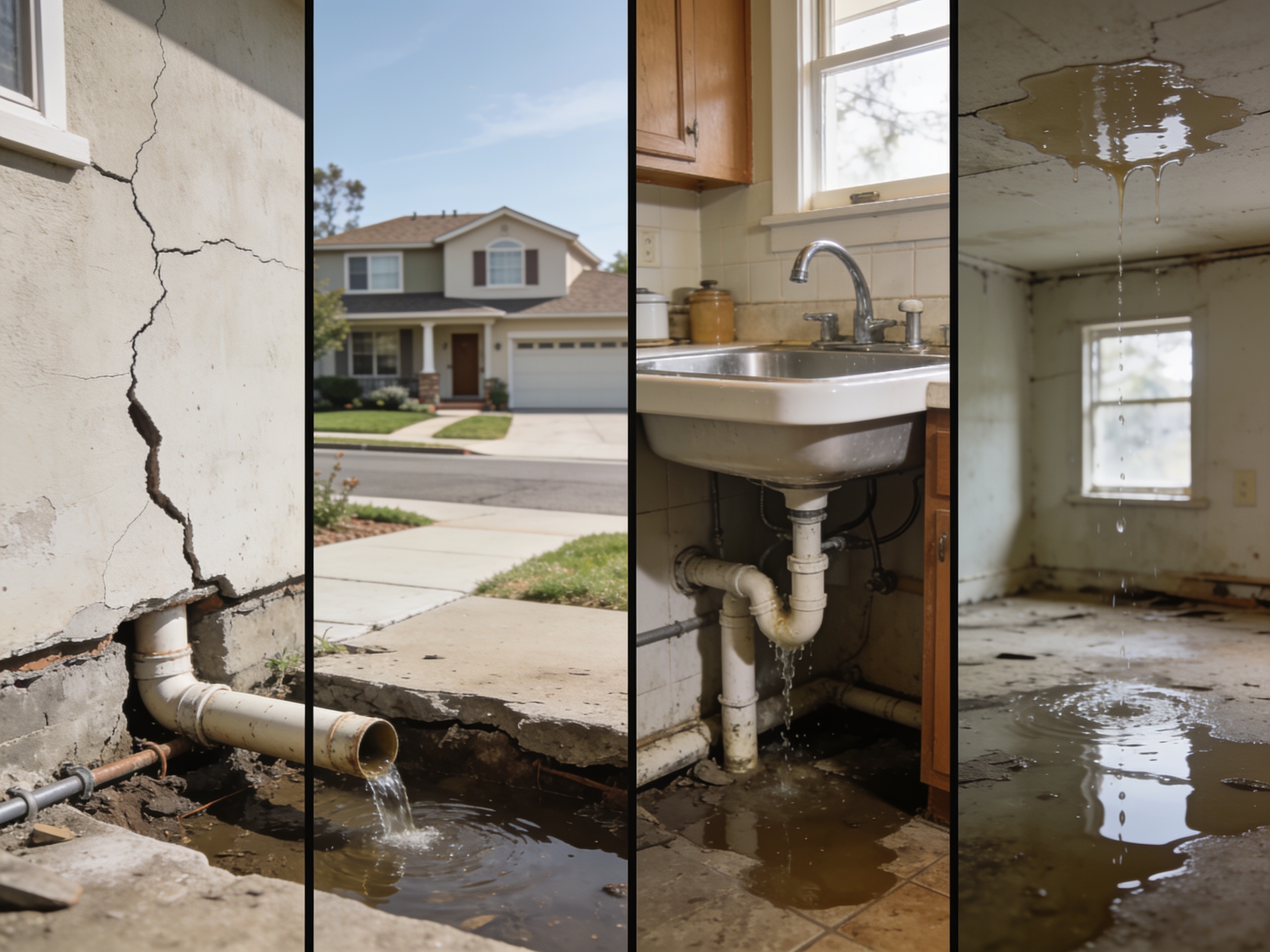
After an earthquake strikes Santa Clara County, shut off the main water valve at the meter immediately to stop flow through cracked lines. This single action prevents flooding in basements and crawl spaces common in homes across Downtown San Jose and Japantown. Next, check for gas odors and electrical hazards before entering affected rooms. Only then should you inspect visible pipes under sinks and behind water heaters.
Safety Shutdowns in Earthquake-Affected Homes
San Jose sits on active faults that can shift older galvanized or cast-iron pipes installed before 1980. Begin by locating the main shutoff, often near the front sidewalk in Evergreen or Cambrian neighborhoods. Turn the valve clockwise until it stops, then test indoor faucets to confirm flow has ceased. If gas lines are involved, evacuate and call the utility from outside. Avoid using electrical switches until the structure is cleared. These steps reduce risk of fire or explosion that follows seismic pipe breaks in Alum Rock homes.
Identifying Hidden Pipe Breaks
After securing the water supply, examine walls and floors for new moisture stains or sagging drywall. In pre-1980 San Jose houses, flexible copper or rigid iron lines often separate at joints during shaking. Listen for dripping sounds in crawl spaces under Willow Glen properties. Use a moisture meter on concrete slabs common in Almaden Valley to locate subsurface leaks. Compare readings against unaffected rooms. Document every location with photos before any cleanup begins. Detecting hidden leaks in pre-1980 San Jose houses explains meter placement and common failure points.
Temporary Containment Measures
Once breaks are mapped, place buckets or plastic sheeting under active drips to limit floor damage. In multi-story homes near the Tech Museum or San Jose City Hall, open windows to promote airflow while avoiding electrical outlets. Remove area rugs and furniture from wet zones in Japantown and Cambrian properties. Do not attempt to repair pressurized lines yourself. These containment steps buy time until professionals arrive and prevent mold growth that thrives in the region's mild Mediterranean climate with warm dry summers.
Professional Assessment and Restoration
Contact licensed technicians for pressure testing and camera inspection of the full line. In Santa Clara County, crews often find earthquake damage concentrated at foundation entries in older Evergreen stock. Technicians isolate sections, replace damaged segments, and dry affected materials with commercial equipment. Water damage restoration teams coordinate with plumbers to restore service without reopening walls unnecessarily. Follow-up moisture checks occur 48 hours later to confirm drying targets are met.
Post-Repair Monitoring in Nearby Cities
After repairs, monitor humidity levels for two weeks in homes near Milpitas and Campbell. Re-check joints monthly for the first year, especially after aftershocks. Keep records of all work performed for insurance purposes. Residents in these zones benefit from understanding how local soil movement affects pipe longevity. Schedule annual inspections in high-risk neighborhoods to catch stress fractures early.